Halogen-Free, Red Phosphorus or Brominated? Flame Retardant Options for PA66 and PA6
Three flame retardant routes for nylon — halogen-free, red phosphorus and brominated — compared on electrical performance, color, cost and compliance.
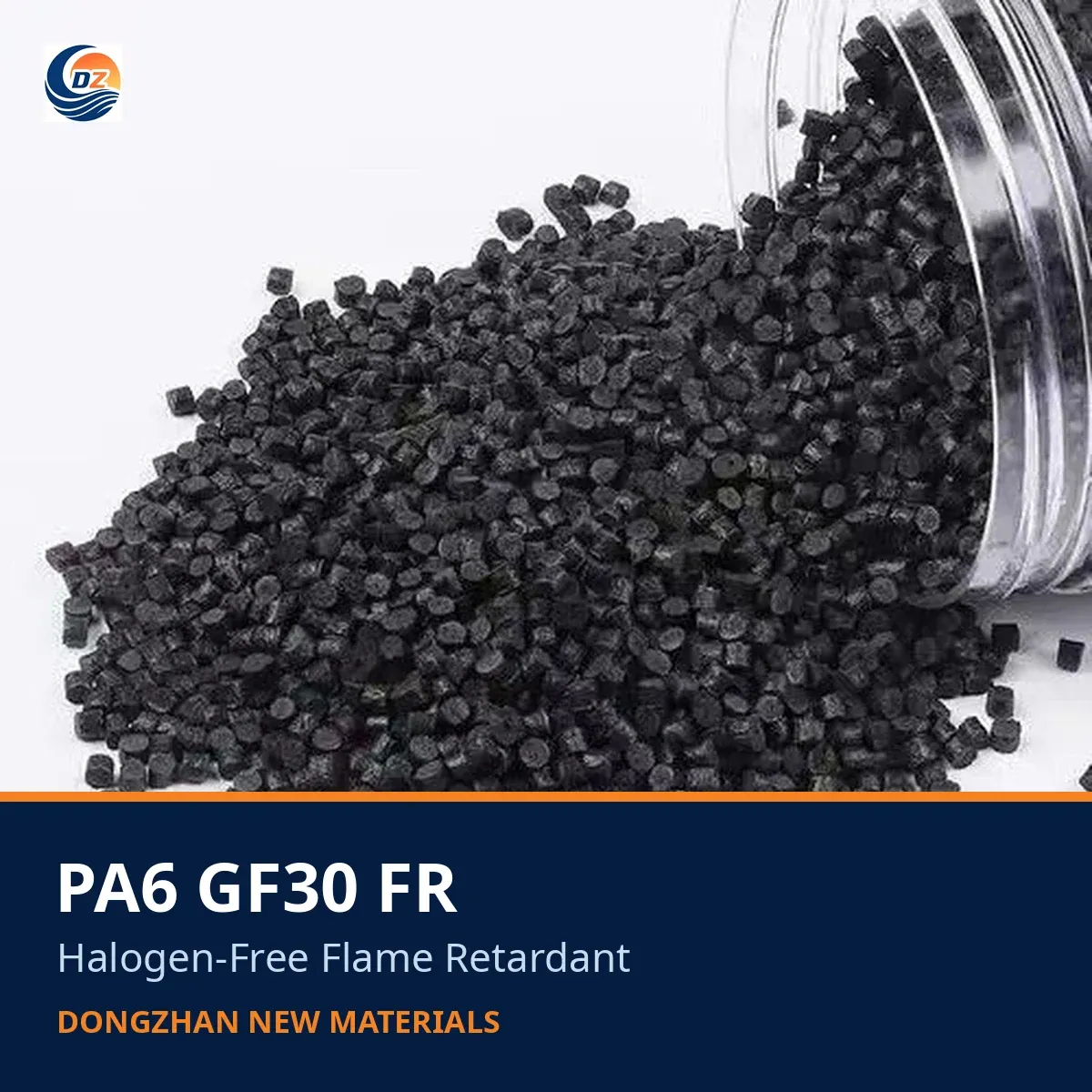
Most electrical and new-energy parts molded in PA66 or PA6 must pass UL94 V-0. There are three mainstream ways to get there, and they behave very differently in service. Choosing only by price is how projects end up with corrosion complaints, color limits, or failed tracking tests.
Option 1: Halogen-free flame retardants
Typically based on metal phosphinates or melamine compounds.
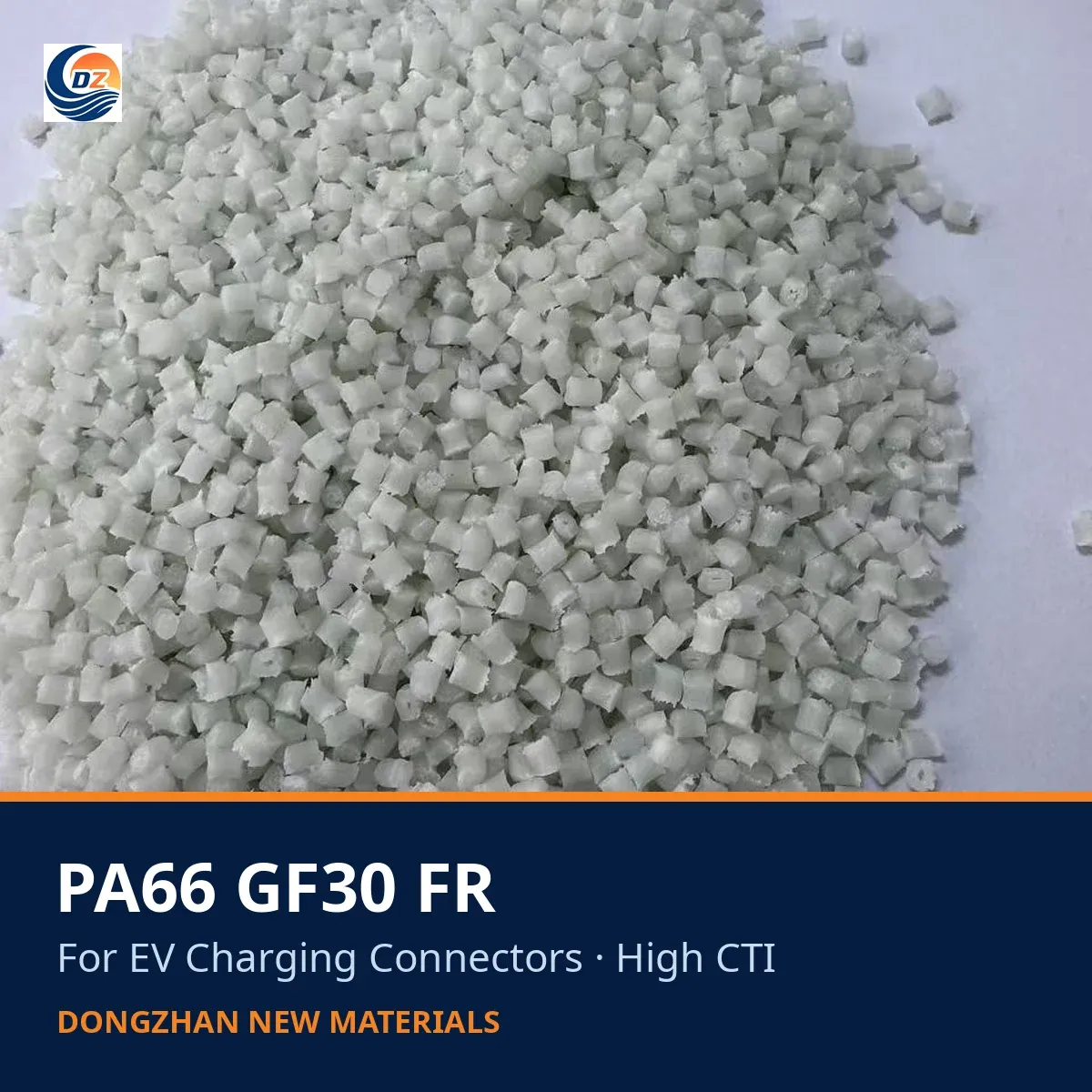
Strengths: low smoke, no halogenated gases, good CTI (comparative tracking index), light colors possible, preferred for export products and eco-labeled equipment
Limits: usually the highest cost of the three; at thin walls, loading levels are high, which can trim mechanical properties
Typical uses: connectors, charging equipment, photovoltaic junction boxes, appliance controls
Option 2: Red phosphorus
A highly efficient flame retardant for glass-filled nylon, common in electrical parts.
Strengths: excellent efficiency at low loading, strong mechanical retention, good electrical properties, competitive cost
Limits: the compound is red-brown to black only — light colors are impossible; phosphine management and mold corrosion protection need attention in processing and storage
Typical uses: contactors, relay parts, motor components, terminal blocks in dark colors
Option 3: Brominated flame retardants
The long-established route, usually combined with antimony trioxide.
Strengths: cost-effective, good flow, colors are flexible, long track record in appliances
Limits: halogen content conflicts with some customers' eco requirements; density is higher; CTI is generally lower than halogen-free systems
Typical uses: appliance housings, switches, sockets, general electrical enclosures
What else should you specify besides "V-0"?
- Wall thickness: V-0 at 3.0 mm is not V-0 at 0.8 mm. State the thinnest wall in your inquiry.
- CTI: for parts under voltage in polluted environments, ask for CTI values — halogen-free systems usually lead here.
- Glow wire: many appliance and unattended-equipment standards require GWIT/GWFI results, not just UL94.
- Color: if the part must be light-colored, red phosphorus is out from the start.
- Regulatory lists: RoHS and REACH documentation should be available from your supplier on request.
Our range covers all three routes
Dongzhan compounds halogen-free, red-phosphorus and brominated flame-retardant PA66 and PA6, including grades for EV charging guns, solar connectors and appliance parts. Send us your standard (UL94 thickness, CTI, glow wire) and color requirement, and we will quote the route that fits — with TDS and RoHS documents available on request.
FAQ
Q: Is halogen-free always the safest choice?
A: It is the safest choice for eco requirements and CTI, but not automatically for cost or thin-wall mechanics. The right answer depends on your standard and your market.
Q: Why did our red-phosphorus parts corrode the mold faster?
A: Red phosphorus compounds need corrosion-protected tooling and dry storage. Tell your compounder the grade is red-phosphorus based so processing guidance can be included with the TDS.