Glass Fiber Content in Nylon: How to Choose 15%, 25%, 30% or 40%
More glass fiber is not always better. Learn how GF15, GF25, GF30 and GF40 change stiffness, impact, warpage and surface — and how to pick the right level.
"GF30" appears on more nylon datasheets than any other grade — but glass fiber content is a dial, not a badge. Turning it up buys stiffness and heat resistance, and costs you impact strength, surface quality and easy processing. Here is how to set the dial for your part.
What does glass fiber actually change?
As glass content rises from 0% to 40% in PA6 or PA66:
Tensile strength and flexural modulus climb steeply
Heat deflection temperature rises toward the resin's melting point
Shrinkage drops — but becomes more directional, which can warp flat parts
Notched impact strength first improves, then falls as the compound gets brittle
Surface finish roughens; fibers can read through on glossy parts
Melt viscosity rises, so thin walls and long flow paths get harder to fill
When is GF15–GF25 the right range?
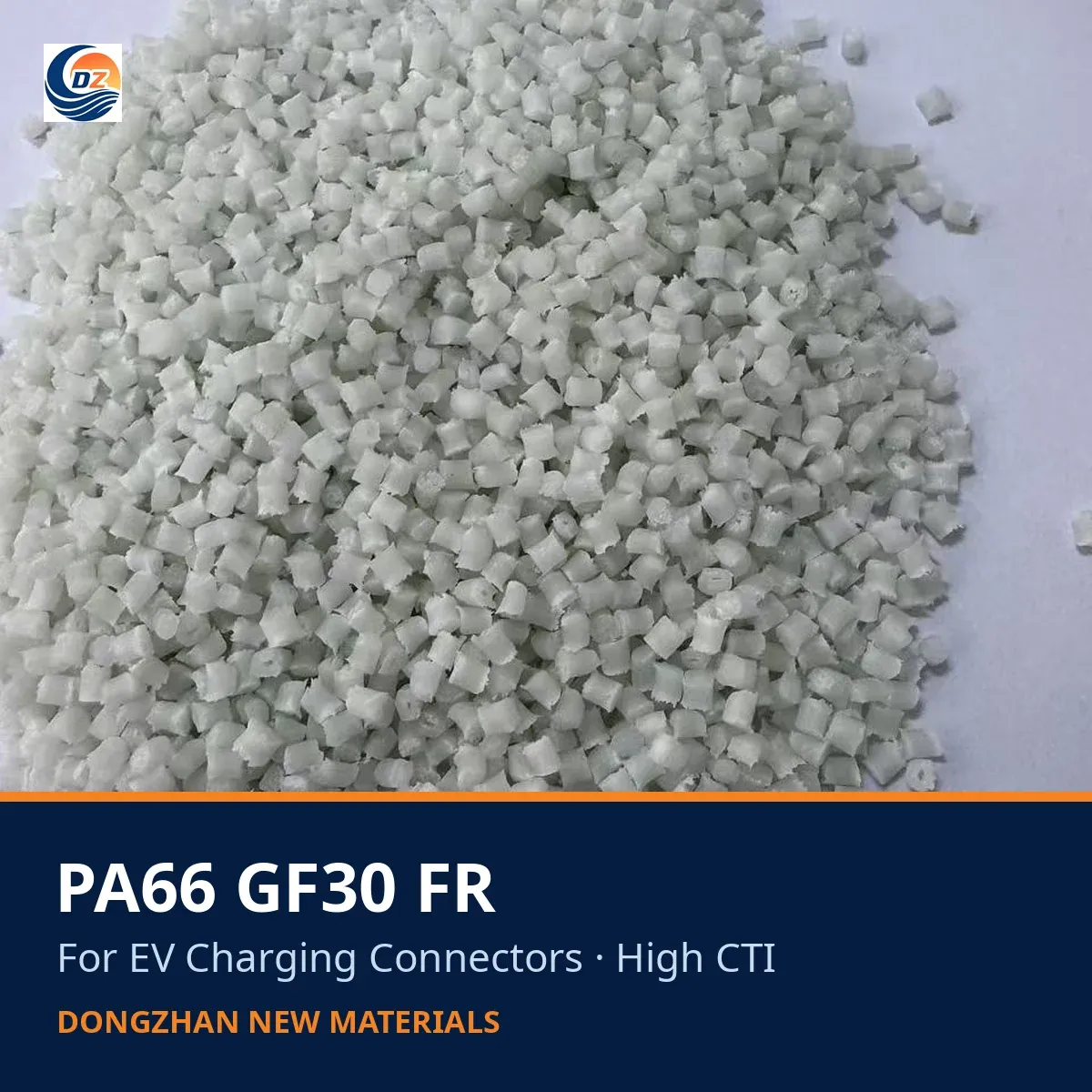
Choose the lower range when the part needs a balance: brackets, covers, front-end carriers and tubes, and parts with snap-fits or living features that must flex without cracking. A PA66 GF25 grade, for instance, is a common choice for automotive front-end carriers — stiff enough for structure, forgiving enough for assembly.
When does GF30 make sense?
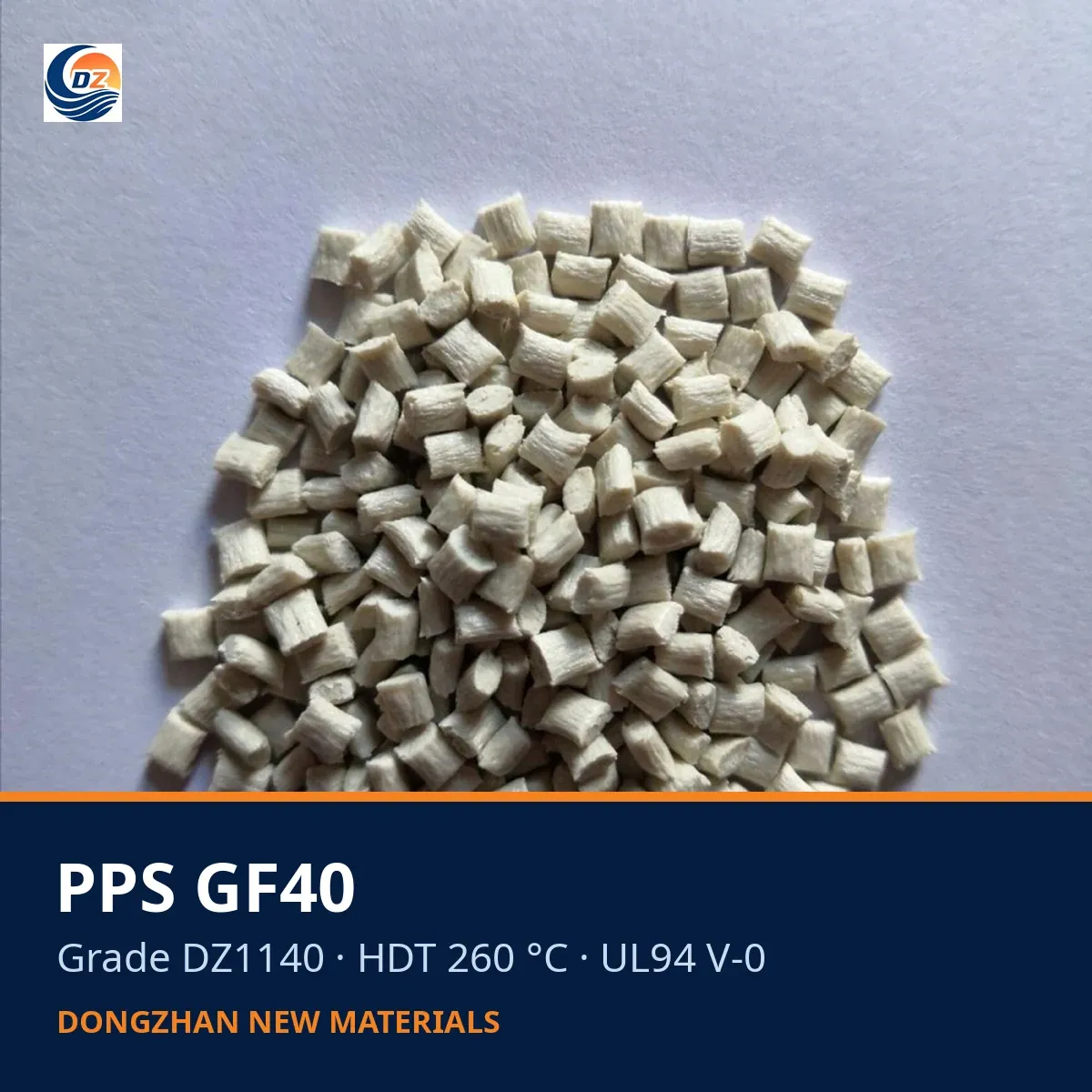
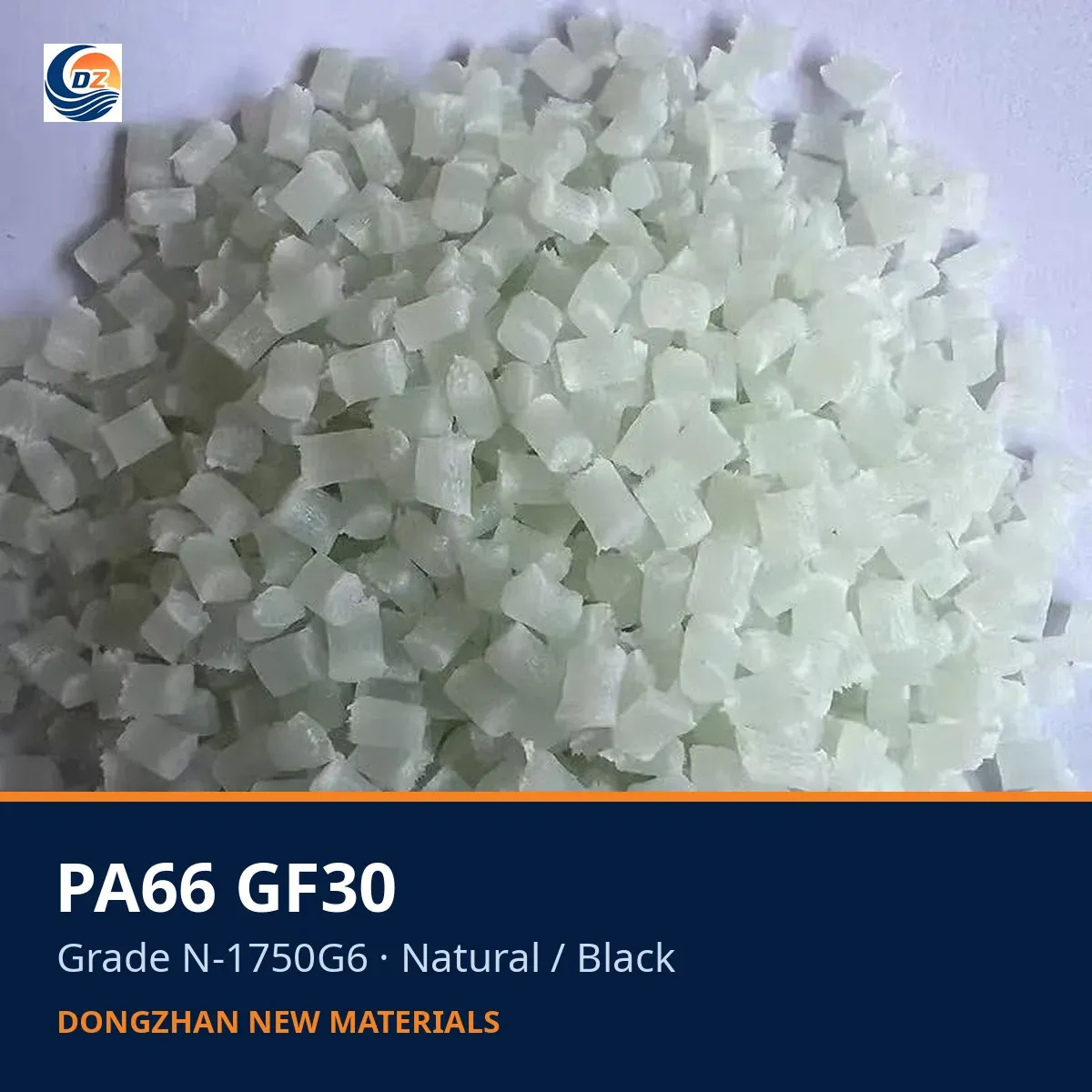
GF30 is the industry's default structural grade: appliance housings that carry load (meat grinder bodies, power tool housings), auto parts, drone and robotics frames. If your current unfilled or GF15 part deflects too much under load, GF30 is usually the next step before redesigning the part.
When should you go to GF40 or higher?
GF40 and above suit parts where metal replacement is the goal and loads are mostly static: motor mounts, pump housings, precision brackets. Budget for more mold wear, check weld-line strength carefully, and expect to redesign gates. Above 40%, also consider whether carbon fiber reinforcement gives you the stiffness with less weight.
The trade-offs buyers forget
- Warpage: high glass + flat geometry = warpage risk. Ribs and balanced gating matter more than another 5% of glass.
- Weld lines: strength at weld lines drops as glass rises. Keep weld lines out of load paths.
- Conditioning: nylon softens as it absorbs moisture; glass reduces but does not remove the effect. Design to conditioned properties.
- Cost per part, not per kilo: a higher-GF compound can allow thinner walls — compare finished part cost.
How we help you pick
Tell us the load case, service temperature and the part's weak point today. We compound PA66 and PA6 from GF10 to GF50, and trials start from 5 kg — enough to mold and test real parts before you commit to a production order. Full TDS available on request.
FAQ
Q: Is GF30 always stronger than GF25?
A: In tensile and flexural terms, usually yes. In impact and snap-fit survival, the GF25 part often outlasts it. "Stronger" depends on the failure you are designing against.
Q: Can you match the glass content of a grade we already use?
A: Yes — glass content is one of the basic variables in custom compounding. Share the current grade name or its TDS and we will match and verify.