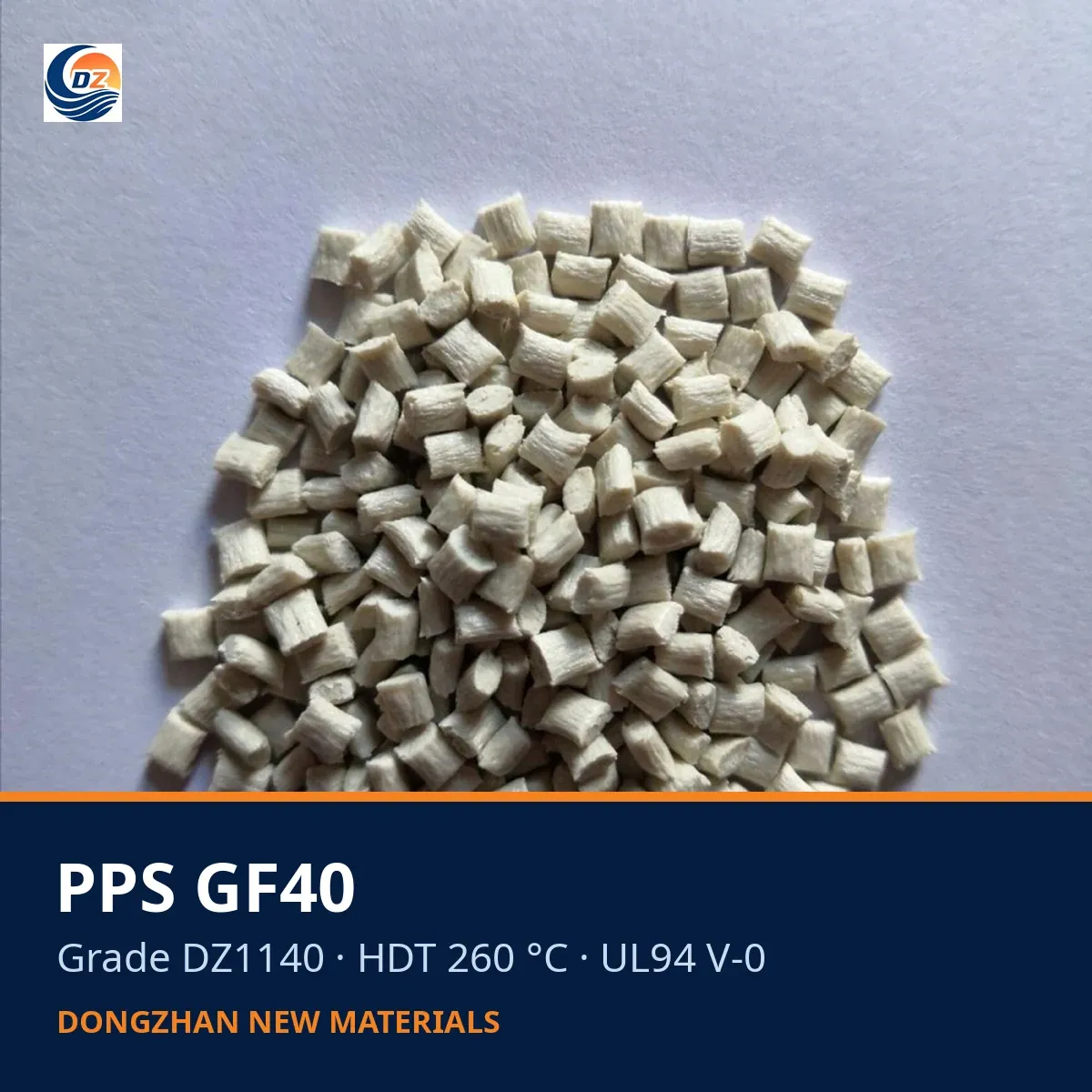
Glass Fiber vs Mineral Filled PPS: Which One Fits Your Part?
Glass fiber PPS is stiffer and stronger but warps more easily. Mineral filled PPS stays flatter and holds dimensions better in precision thin-wall parts. Here is how to choose.
Journal
Read buying guides, product notes, material stories, and field updates from the team.
Glass fiber PPS is stiffer and stronger but warps more easily. Mineral filled PPS stays flatter and holds dimensions better in precision thin-wall parts. Here is how to choose.
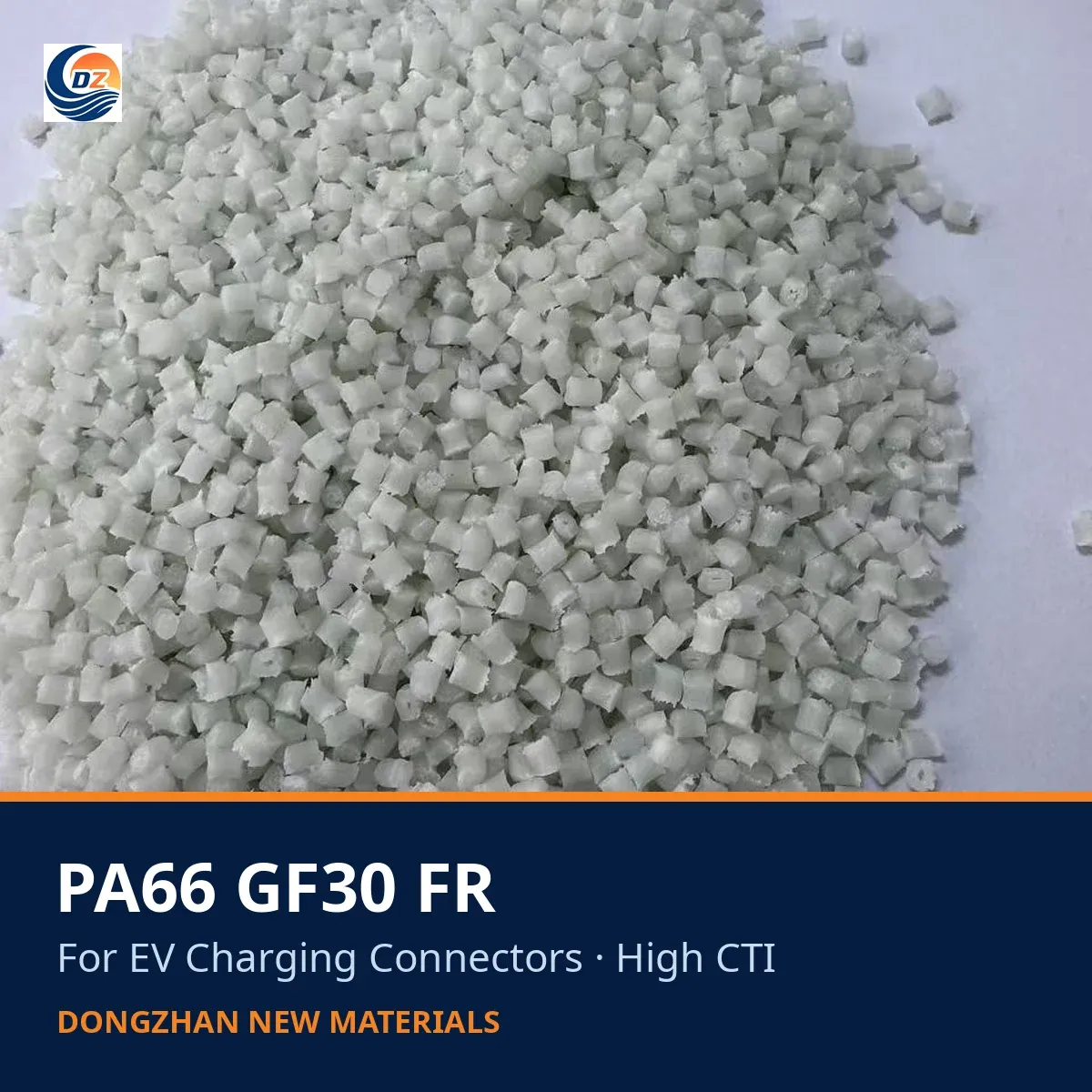
EV charging guns and solar junction boxes punish materials with heat, UV, moisture and voltage. Here is the property checklist your compound must pass.
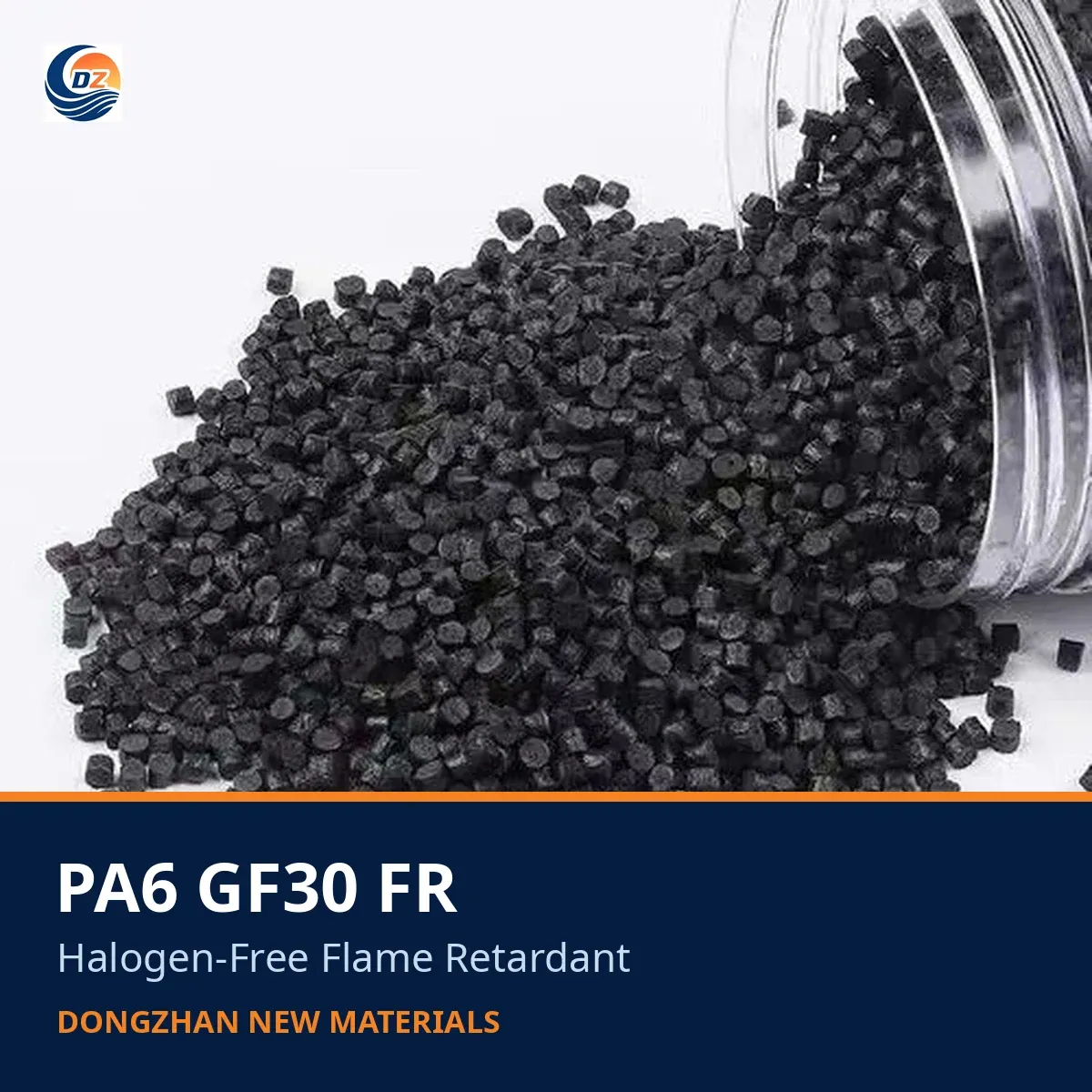
Three flame retardant routes for nylon — halogen-free, red phosphorus and brominated — compared on electrical performance, color, cost and compliance.
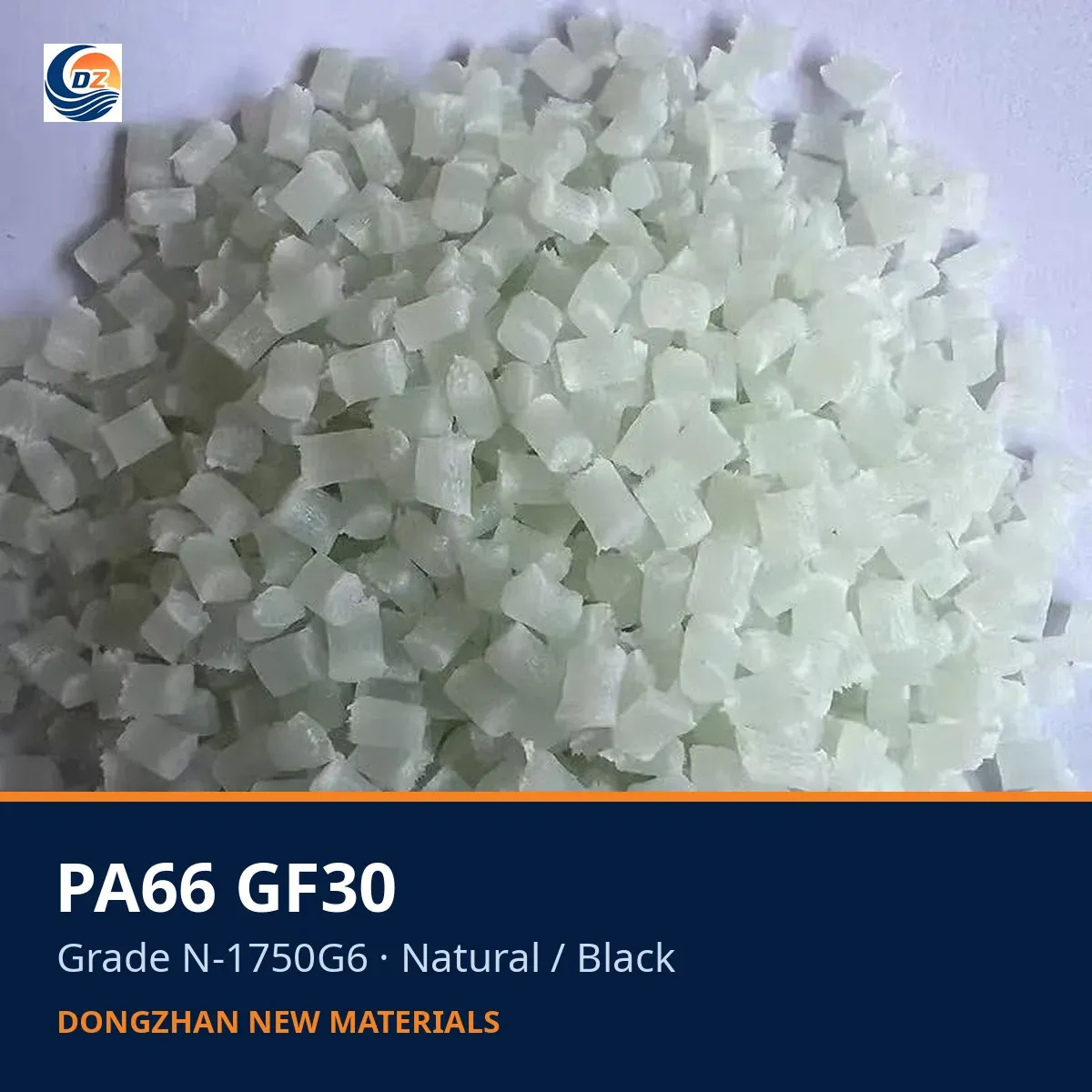
More glass fiber is not always better. Learn how GF15, GF25, GF30 and GF40 change stiffness, impact, warpage and surface — and how to pick the right level.
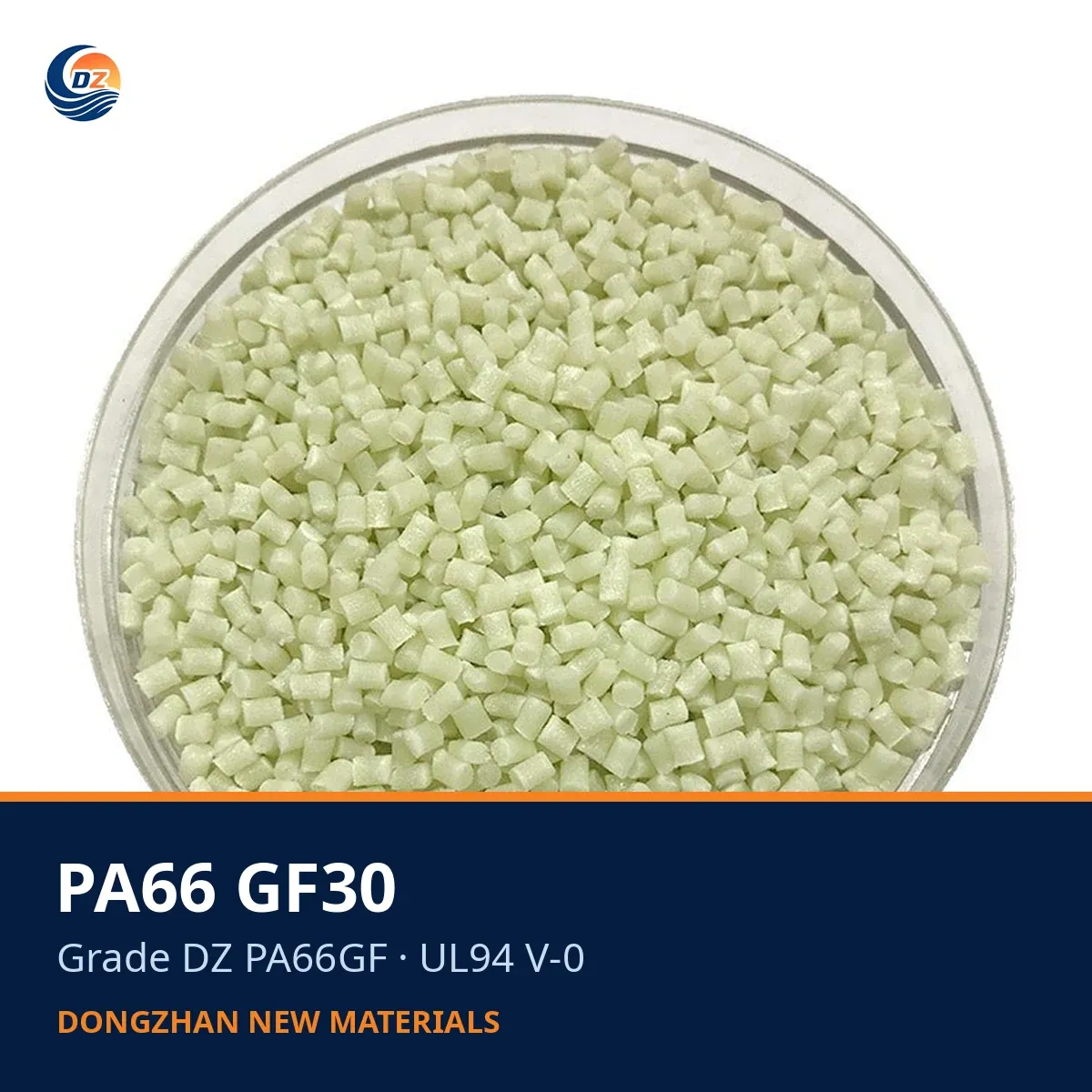
PA66 or PA6? Compare heat resistance, stiffness, moisture, surface finish and cost, and learn which nylon fits automotive and electrical parts best.
Recommended products
Popular pieces selected to support the routines, repairs, and ideas featured in our journal.
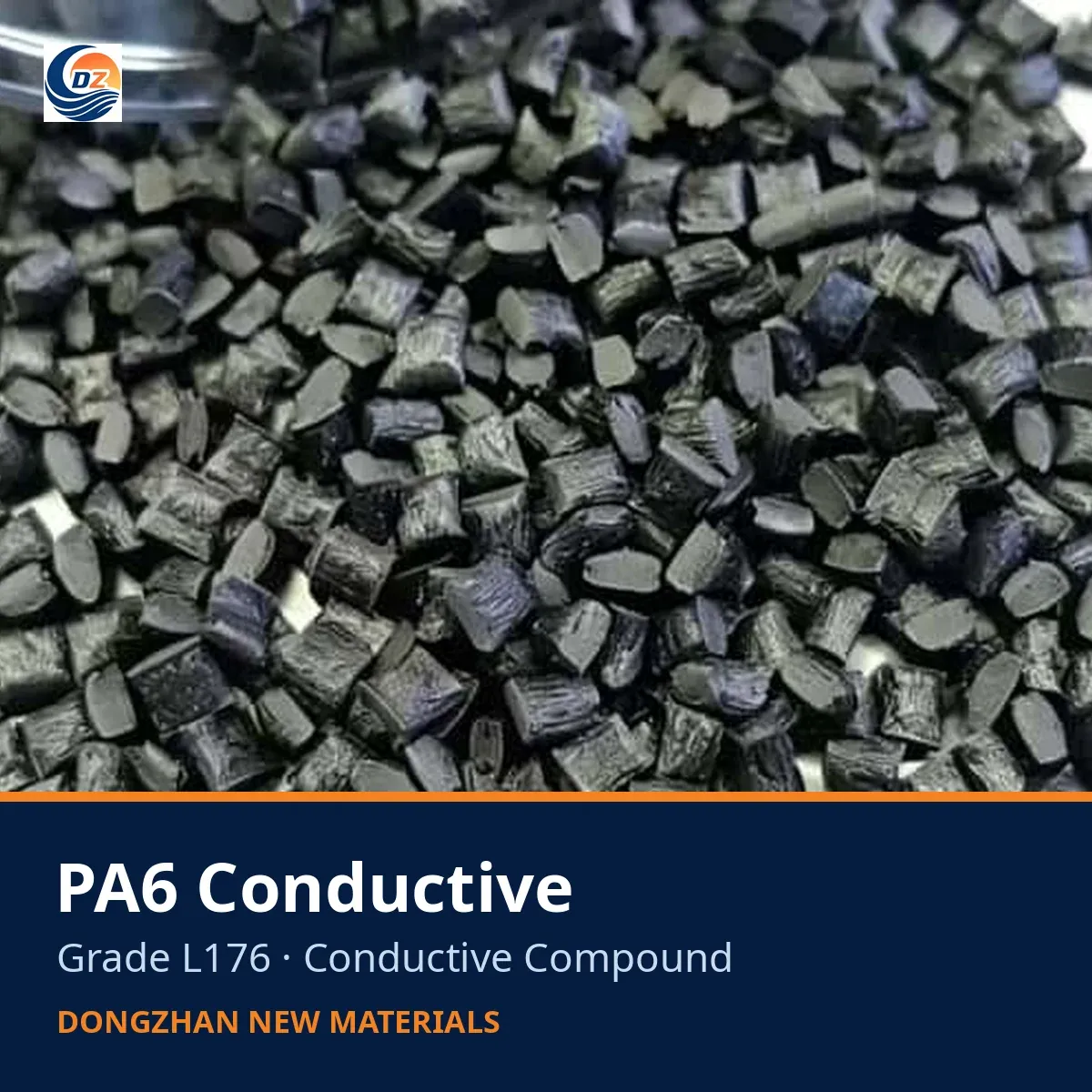
Conductive PA6 compound for parts that need static dissipation and conductivity — power tool accessories, automotive parts, appliance and electronic components. Custom fiber loadings available on request.
Halogen-free flame-retardant glass-filled PA6 for automotive, electrical and new-energy parts, with glass content customizable from 10% to 50% and color matching available.
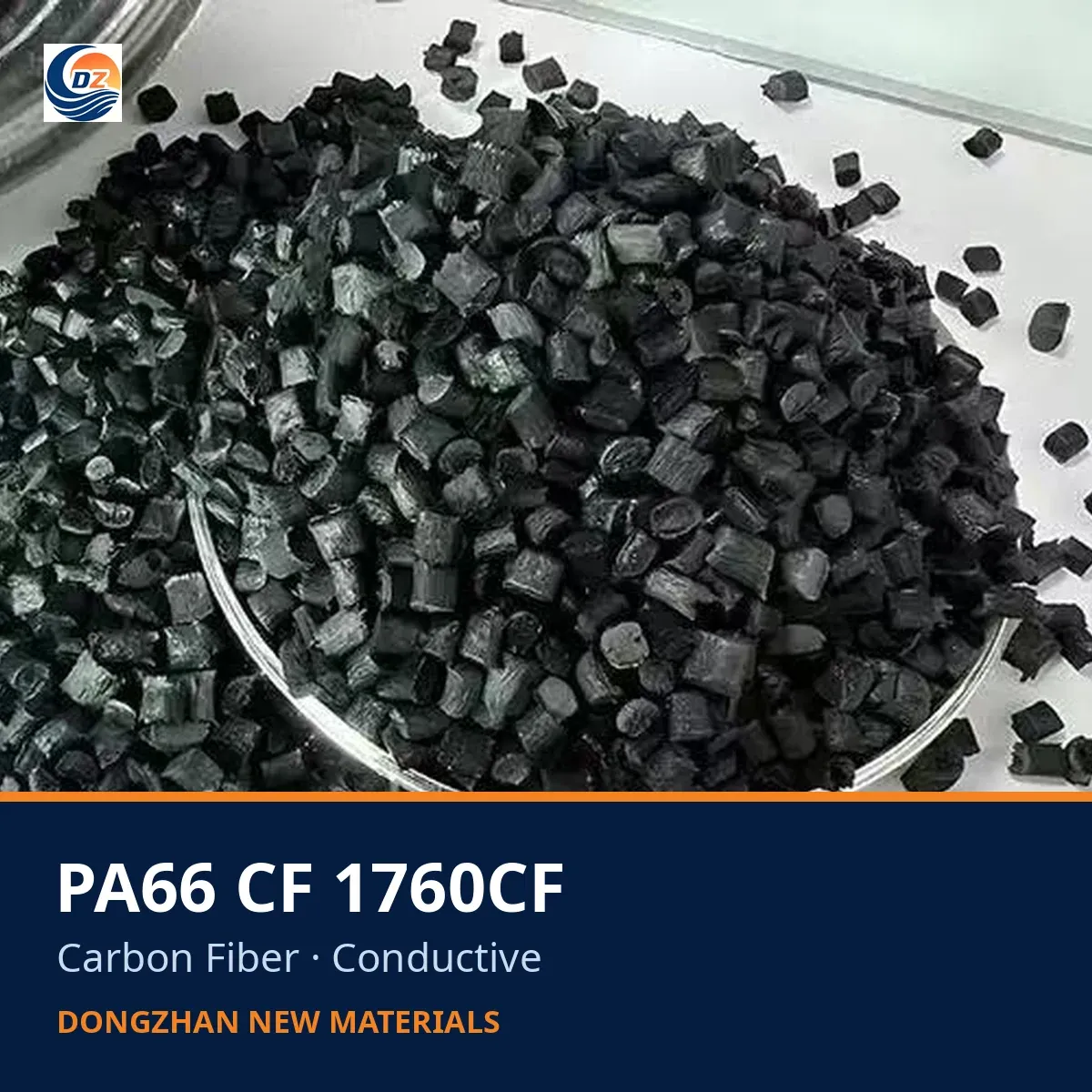
Carbon fiber reinforced PA66 with high rigidity, wear resistance and conductive / anti-static performance for lightweight precision parts.