Frequently Asked Questions — Engineering Modified Plastics
Frequently asked questions about PA6, PA66, PA12, PBT, PPS, PPSU, PEEK and our services.
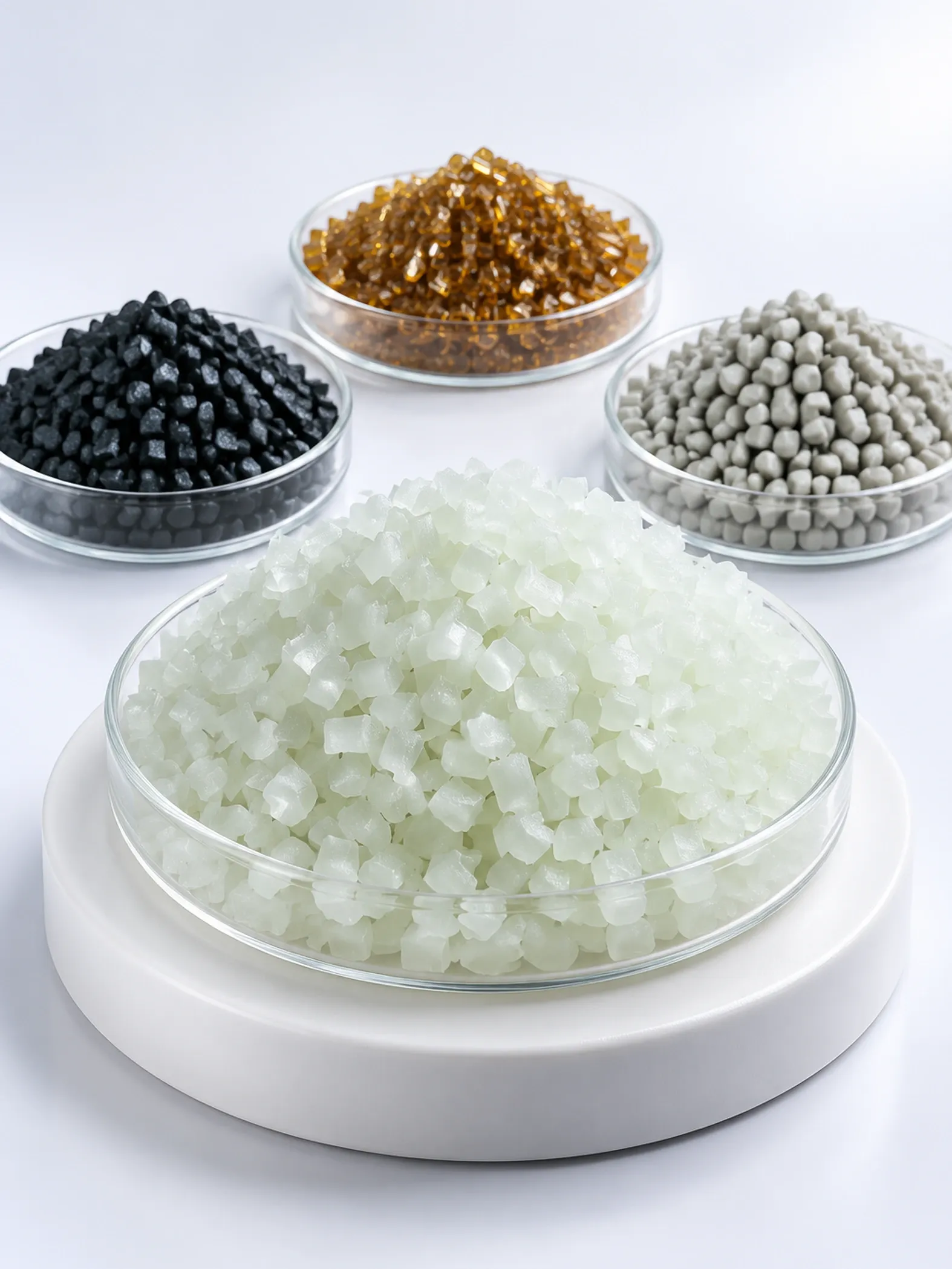
PA6
Q1: What is the main feature of PA6?
A1: Good toughness, excellent impact resistance, easy processing, cost-effective. It absorbs moisture easily, which affects dimensional stability.
Q2: When should I choose PA6 instead of PA66?
A2: Choose PA6 if you need better impact performance and lower cost, and the product allows a certain degree of water absorption.
Q3: Does PA6 need drying before injection?
A3: Yes. Moisture must be dried before molding, otherwise bubbles, silver streaks will appear on the surface.
Q4: Can PA6 be modified with glass fiber?
A4: Yes. GF reinforced PA6 improves rigidity, heat resistance and reduces shrinkage.
Q5: Is PA6 suitable for high-temperature continuous working environment?
A5: Not as good as PPS or PEEK. It is suitable for medium temperature scenarios.
Q6: What are common applications of PA6?
A6: Connectors, gears, pulley, auto parts, mechanical fasteners.
Q7: Can you make flame retardant PA6?
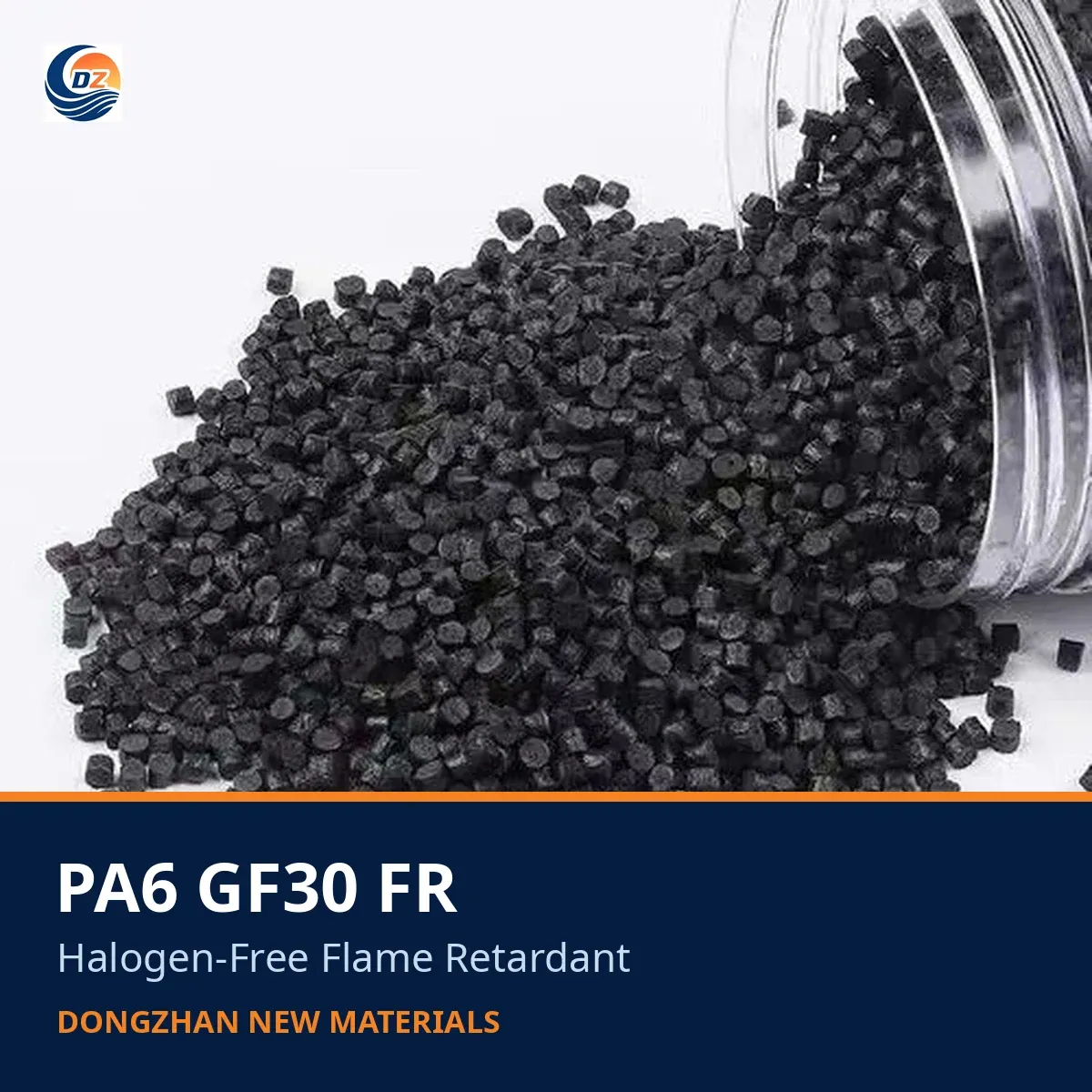
A7: Yes, we provide halogen-free and red phosphorus flame retardant grades.
Q8: Will PA6 deform easily?
A8: Unmodified PA6 has high shrinkage and is easy to deform; fiber-reinforced grades greatly reduce shrinkage.
Q9: Can PA6 be used in outdoor environment?
A9: Ordinary PA6 is not UV resistant. We have anti-UV modified grade for outdoor use.
Q10: What is the sample lead time for custom PA6?
A10: Stock sample: 1–3 working days; custom modified sample: 10–20 working days.
PA66
Q1: What is the advantage of PA66 compared with PA6?
A1: Higher melting point, better heat resistance, higher rigidity, lower water absorption than PA6.
Q2: What scenarios are more suitable for PA66?
A2: Auto engine parts, high-temperature electrical connectors, parts requiring higher heat resistance.
Q3: Is PA66 more expensive than PA6?
A3: Generally yes. Raw material cost of PA66 is higher.
Q4: Does PA66 also need drying?
A4: Yes. Drying is required before injection molding.
Q5: Can we get ESD PA66?
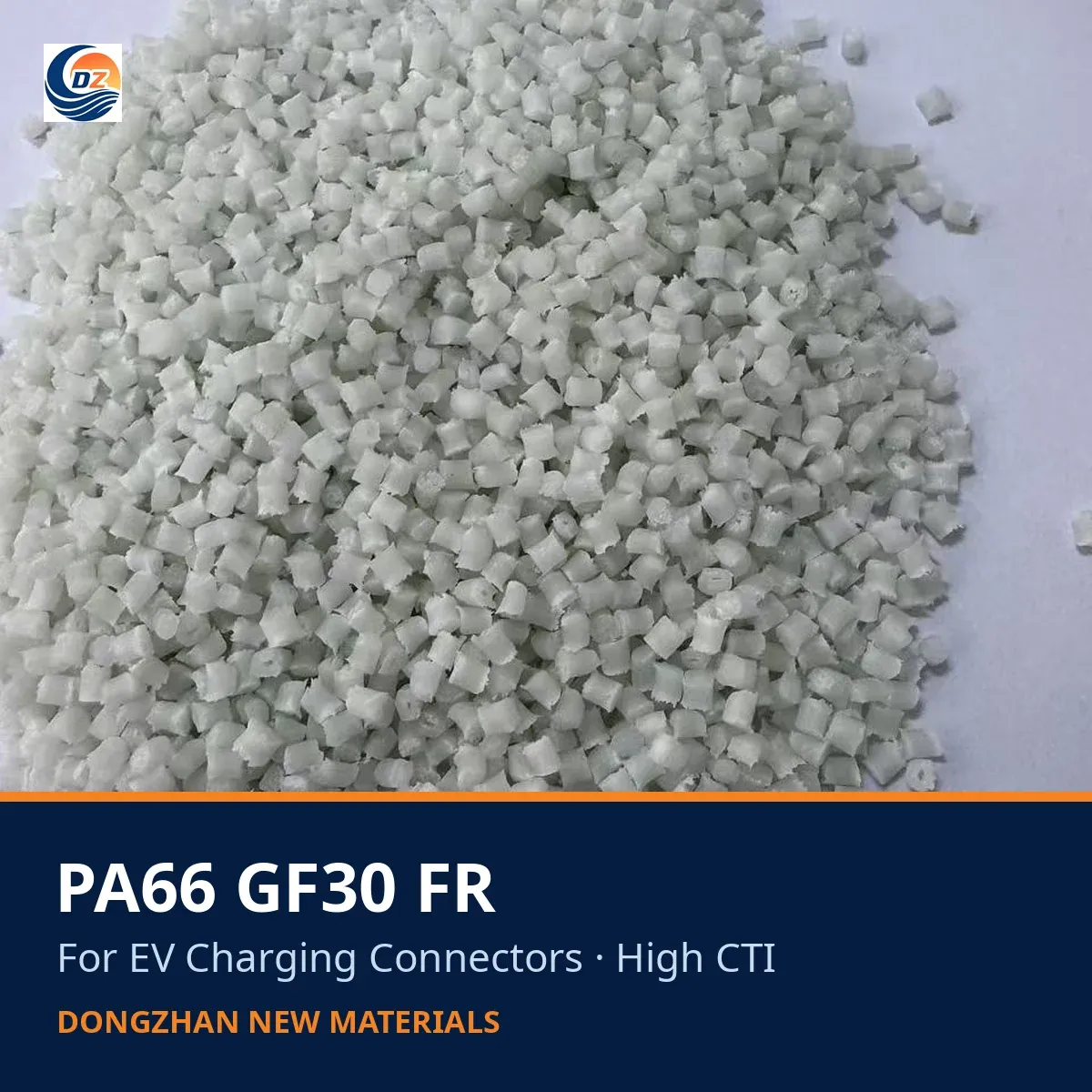
A5: Yes. Carbon fiber conductive PA66 grades are available, and ESD compounds can be custom made.
Q6: What is the weakness of PA66?
A6: Still absorbs moisture, and the low-temperature toughness is worse than PA6.
Q7: Can PA66 be reinforced with carbon fiber?
A7: Yes, carbon fiber reinforced PA66 has high strength and conductivity.
Q8: What is the MOQ for PA66 order?
A8: Sample MOQ 5 kg, bulk order can be negotiated.
Q9: Can PA66 resist oil and chemical?
A9: Good resistance to oil, grease and many common chemicals.
Q10: Can you provide TDS and SDS for PA66?
A10: Yes, documents will be supplied upon request.
PA12
Q1: What is the biggest advantage of PA12?
A1: Very low water absorption, excellent dimensional stability, good low-temperature toughness.
Q2: Where is PA12 widely used?
A2: Flexible tubes, pneumatic pipes, sensor housings, precision parts.
Q3: Is PA12 expensive?
A3: Yes, it belongs to high-performance nylon, higher price than PA6 / PA66.
Q4: Does PA12 need drying?
A4: Less sensitive to moisture, but drying is still recommended for best appearance.
Q5: Can PA12 resist many chemicals?
A5: Good resistance to oils, fuels and many solvents.
Q6: Can PA12 be modified?
A6: Yes, we can add lubricant, anti-static and reinforcement.
Q7: Is PA12 suitable for precision small parts?
A7: Yes, its stable dimension makes it ideal for precision components.
Q8: What is the temperature range of PA12?
A8: Continuous service temperature is moderate, not for ultra-high heat.
Q9: Can PA12 be used in contact with liquid?
A9: Suitable for many fluid applications, we can provide corresponding grade.
Q10: What if I need a small trial of PA12?
A10: Sample MOQ 5 kg; stock sample 1–3 working days, custom lead time 10–20 working days.
PBT
Q1: What are the key properties of PBT?
A1: Low water absorption, fast crystallization, good dimensional stability, good electrical performance.
Q2: When to select PBT?
A2: Electrical components, sockets, connectors, parts requiring stable size.
Q3: Can PBT reach V0 flame retardant?
A3: Yes, flame retardant V0 grade is our regular product.
Q4: Is PBT easy to process?
A4: Yes, fast cycle time for injection molding.
Q5: Can PBT be glass fiber filled?
A5: Yes, GF PBT greatly improves rigidity and heat resistance.
Q6: What is the disadvantage of ordinary PBT?
A6: Poor impact resistance without modification.
Q7: Can PBT work under humid environment?
A7: Yes, low moisture absorption, stable performance.
Q8: Can PBT resist solvent?
A8: Good resistance to many common solvents.
Q9: Do you have low-warp PBT?
A9: Yes, we can develop low-warp modified grade.
Q10: Can you provide PBT sample quickly?
A10: Stock PBT sample 1–3 working days.
PPS
Q1: What is PPS famous for?
A1: Excellent high temperature resistance, inherently flame retardant, great chemical resistance.
Q2: What is the common application of PPS?
A2: Auto parts, electronic components, pump & valve parts, high-temperature machinery parts.
Q3: Does PPS need flame retardant addition?
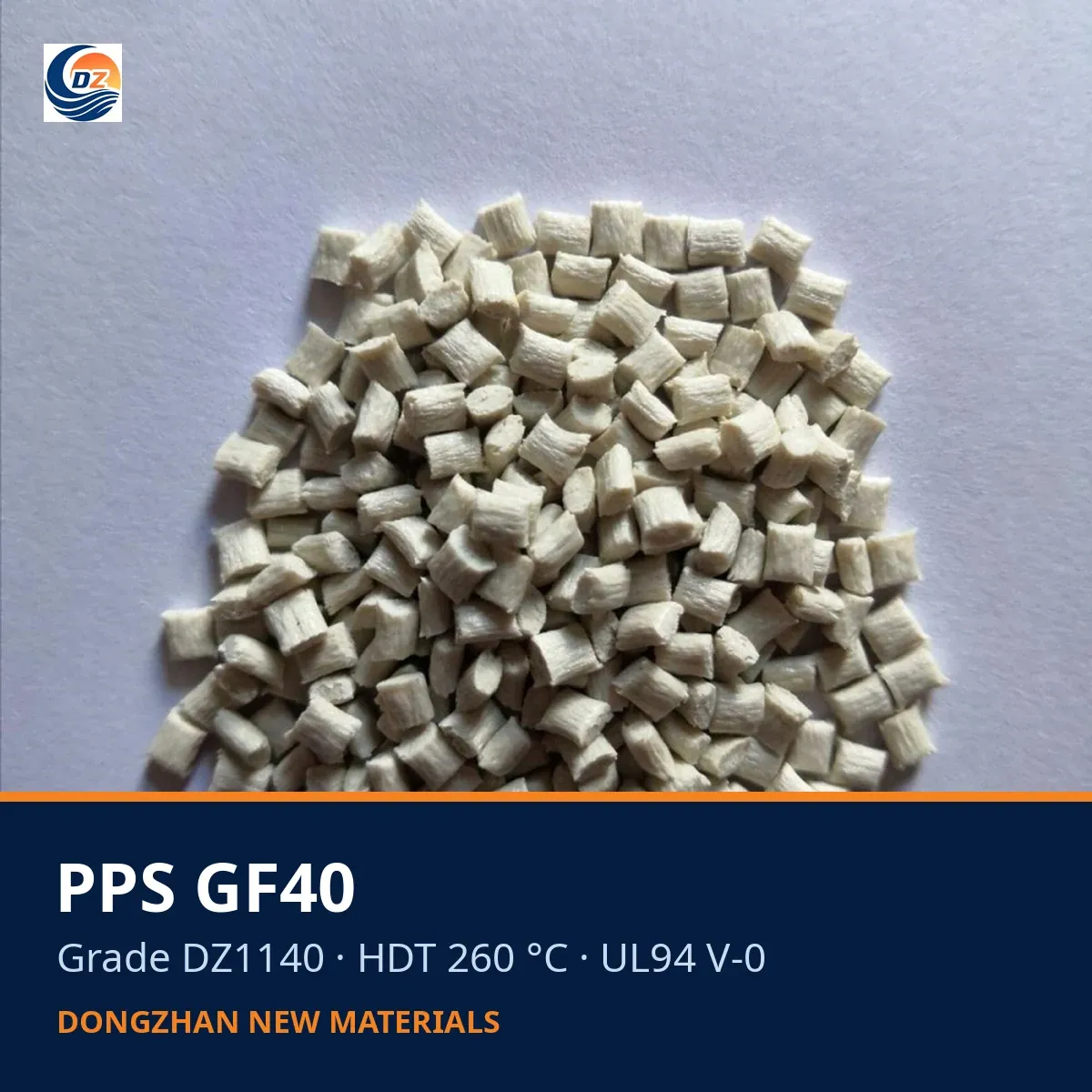
A3: Pure PPS is self-extinguishing, normally can reach V0 without extra flame retardant.
Q4: Can PPS be filled with glass fiber or mineral?
A4: Yes, GF / mineral filled PPS are mainstream grades.
Q5: Is PPS expensive?
A5: Higher than general engineering plastics.
Q6: Can PPS resist strong acid and solvent?
A6: Excellent chemical resistance, resistant to most solvents and acids.
Q7: Can PPS be used continuously at high temperature?
A7: Yes, suitable for long-term high-temperature working conditions.
Q8: Is PPS easy to warp?
A8: Filled grades have less shrinkage; special formulation for low warp is available.
Q9: Can we get conductive PPS?
A9: Yes, carbon fiber filled conductive / ESD PPS.
Q10: What is the sample lead time for custom PPS?
A10: Stock: 1–3 working days; custom: 10–20 working days.
PPSU
Q1: What is the feature of PPSU?
A1: Transparent, high impact, high heat resistance, good hydrolysis resistance.
Q2: Is PPSU food contact safe?
A2: PPSU is widely used in food-contact applications such as baby bottles, thanks to its heat and hydrolysis resistance.
Q3: When do customers choose PPSU instead of PPS?
A3: When transparency, high impact and hydrolysis resistance are required.
Q4: Can PPSU be sterilized repeatedly?
A4: Yes, it can withstand repeated high-temperature sterilization.
Q5: Is PPSU easy to process?
A5: It needs precise temperature control during injection.
Q6: Can PPSU be modified?
A6: We provide custom formulation, while most PPSU orders use virgin grade.
Q7: What is the weakness of PPSU?
A7: High material cost, limited color options.
Q8: Does PPSU absorb water?
A8: Low water absorption, but pre-drying is still required.
Q9: Can PPSU resist hot water and steam?
A9: Very good steam and hot water resistance.
Q10: Do you have PPSU in stock?
A10: Some standard grades in stock; special specification needs customization.
PEEK
Q1: Why is PEEK a high-performance plastic?
A1: Ultra-high temperature resistance, outstanding mechanical strength, excellent wear and chemical resistance.
Q2: What are typical PEEK applications?
A2: Precision machinery, bearing, medical parts, aerospace, high-temperature connectors.
Q3: Is PEEK very expensive?
A3: Yes, it is one of the high-priced super engineering plastics.
Q4: Can PEEK be filled with carbon fiber?
A4: Yes, CF reinforced PEEK has better wear resistance and rigidity.
Q5: Can PEEK resist most chemicals?
A5: Excellent chemical resistance, only a few strong solvents can attack it.
Q6: Can PEEK work continuously at high temperature?
A6: Yes, its continuous service temperature is much higher than ordinary engineering plastic.
Q7: Is PEEK difficult to injection mold?
A7: Yes, it requires high temperature equipment and strict process control.
Q8: Can we get lubricated PEEK grade?
A8: Yes, self-lubricating modified PEEK is available.
Q9: What is the MOQ of PEEK?
A9: Sample MOQ 5 kg; bulk price is negotiable.
Q10: Can you provide TDS for PEEK?
A10: Yes, TDS, SDS and COA are available.
General Service FAQ
Q1: What is your sample policy?
A1: Sample MOQ: 5 kg. Stock samples are dispatched in 1–3 working days; custom modified samples take 10–20 working days. Samples are charged, with freight collect.
Q2: Can you provide TDS, SDS and COA?
A2: Yes, we can send these technical documents on request.
Q3: Do you support custom modification?
A3: Yes, we can adjust glass fiber, carbon fiber, flame retardant, anti-static, lubrication and other formulations.
Q4: What is your technical support way?
A4: For domestic clients: on-site service is available if needed. For overseas clients: video and online technical guidance.
Q5: What trade terms can you accept?
A5: EXW, FOB, CIF are acceptable.