PA66 vs PA6: How to Choose for Automotive and Electrical Parts
PA66 or PA6? Compare heat resistance, stiffness, moisture, surface finish and cost, and learn which nylon fits automotive and electrical parts best.
PA66 and PA6 are the two workhorse nylons in engineering plastics. They look similar, they are processed on similar equipment, and buyers often treat them as interchangeable — until a part warps, absorbs too much moisture, or fails a heat test. This guide walks through the differences that actually matter when you choose a compound for automotive and electrical parts.
What is the core difference between PA66 and PA6?
The difference starts with the polymer chain. PA66 has a higher melting point (around 260 °C, versus around 220 °C for PA6) and crystallizes more readily. In practice that gives PA66:
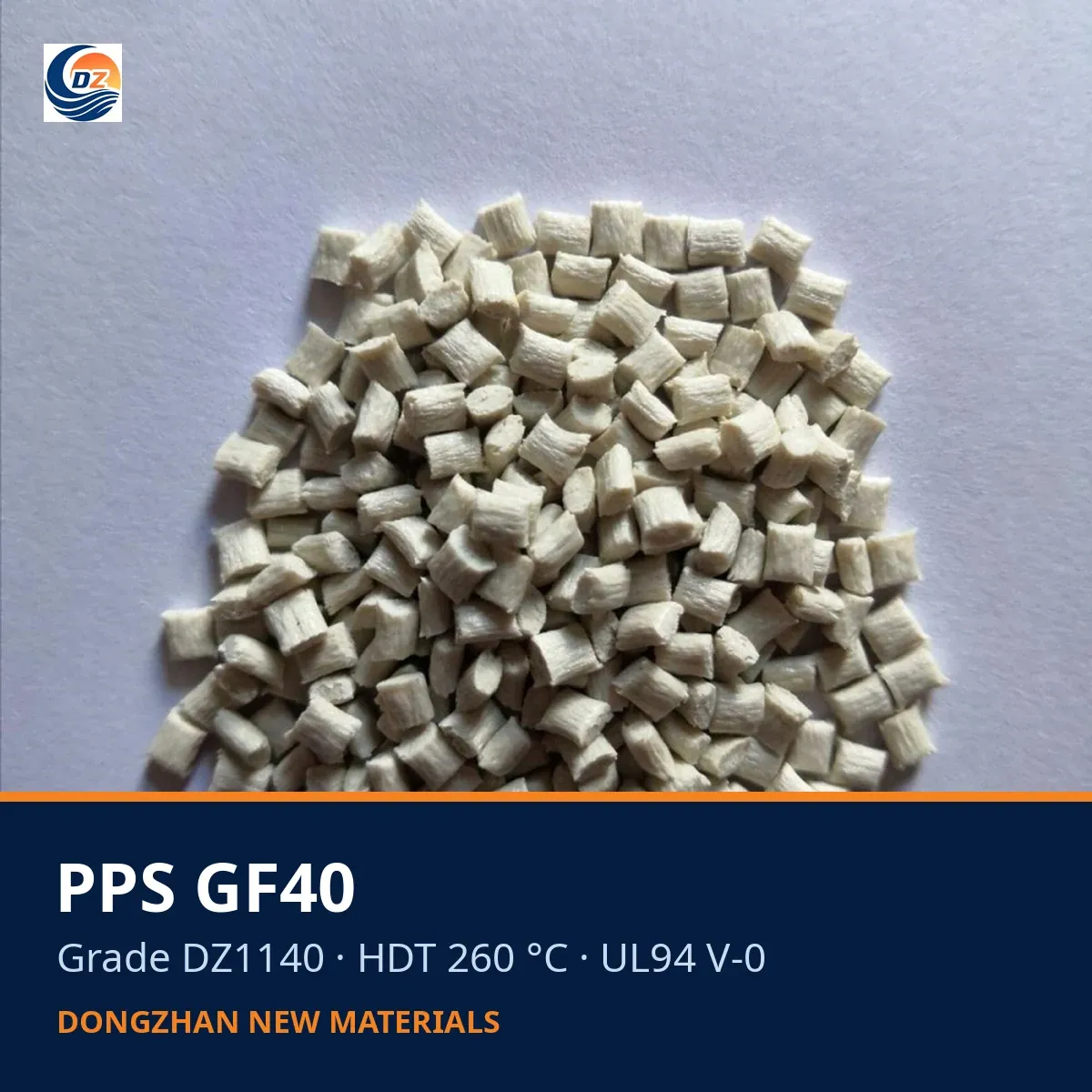
Better short-term heat resistance and a higher heat deflection temperature at the same glass fiber level
Higher stiffness and strength in dry-as-molded condition
Better wear resistance and fatigue performance
PA6 answers with:
Easier processing and a wider processing window
Better surface finish, which matters for visible housings
Good toughness and impact performance, often at a lower material cost
How does moisture change the picture?
Both nylons absorb moisture, and both become tougher but less stiff as they condition. PA6 generally absorbs moisture a little faster. For parts that must hold tight dimensions — gears, connectors, sensor housings — the conditioned properties, not the dry datasheet values, should drive your choice. If a supplier quotes only dry-as-molded data, ask for the full TDS and check the conditions behind every number.
Which one for automotive parts?
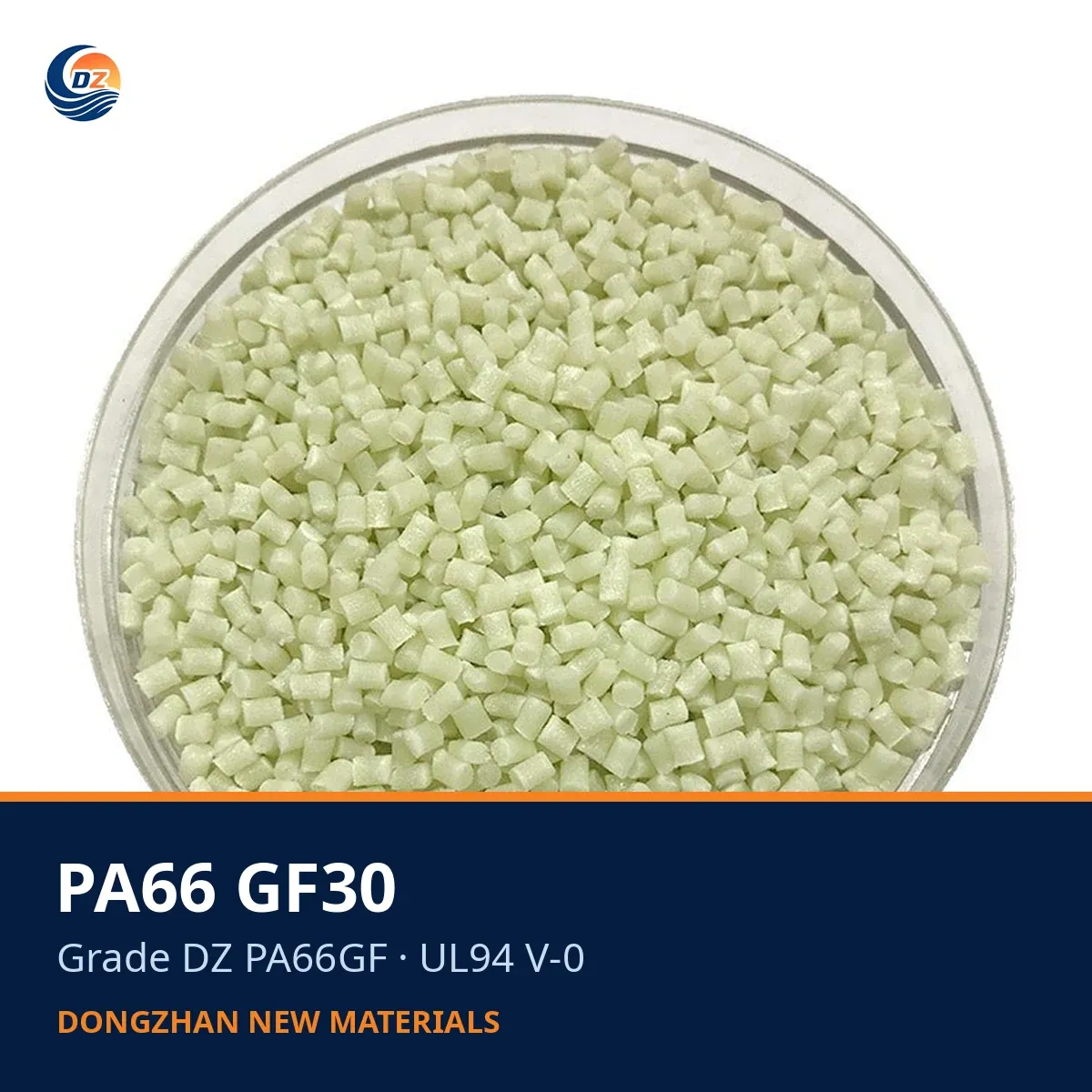
For under-hood and structural parts — front-end carriers, tubes, brackets, charge-air and cooling-adjacent components — PA66 glass-filled grades are the default choice because of heat and stiffness. A PA66 GF25 compound, for example, is widely used for front-end carriers and tubes where a balance of strength and processability is needed.
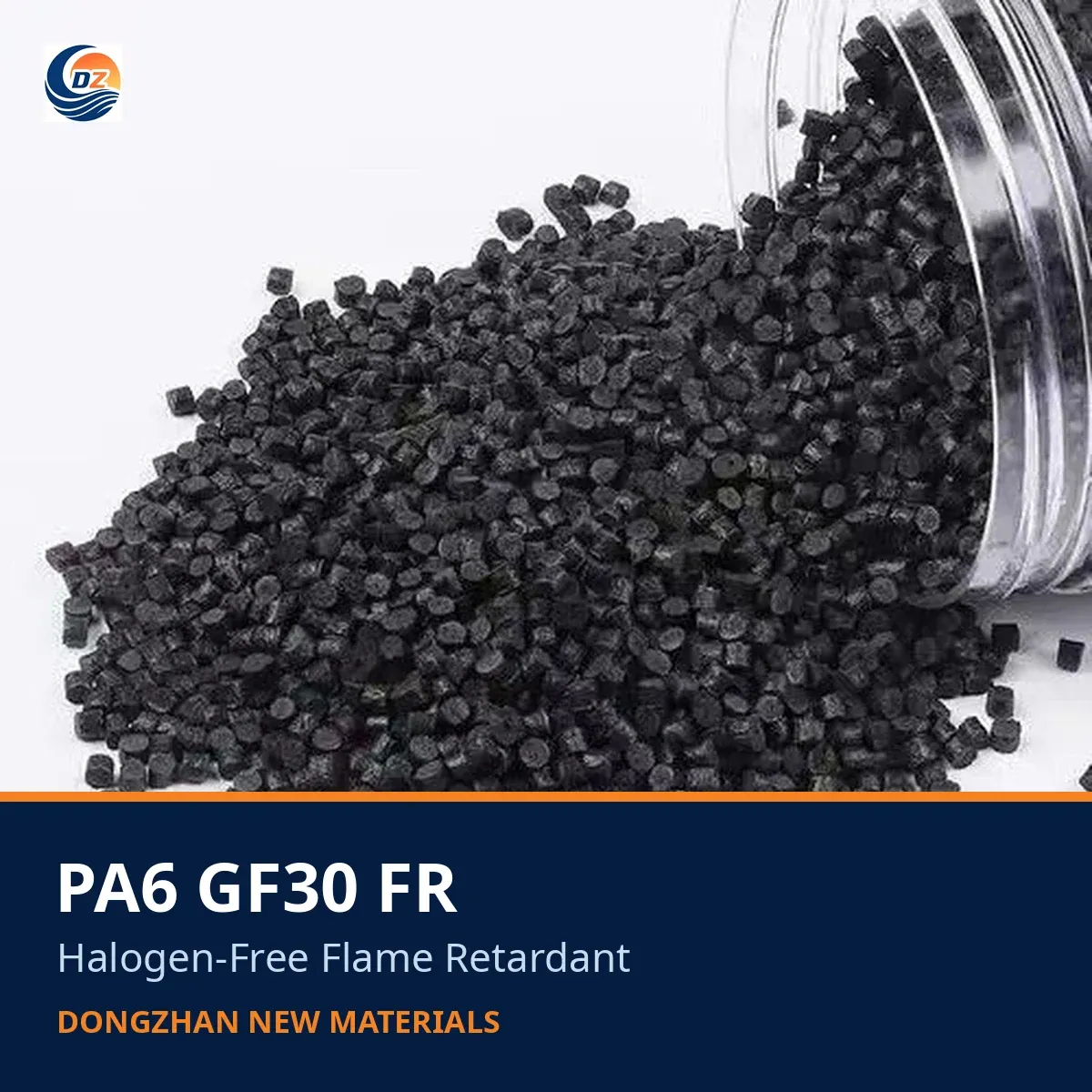
For interior and semi-structural parts where surface quality and toughness matter more than peak heat resistance, PA6 GF30 is a cost-effective workhorse — it is commonly used in appliance structures such as meat grinder housings, power tool parts and auto trim supports.
Which one for electrical parts?
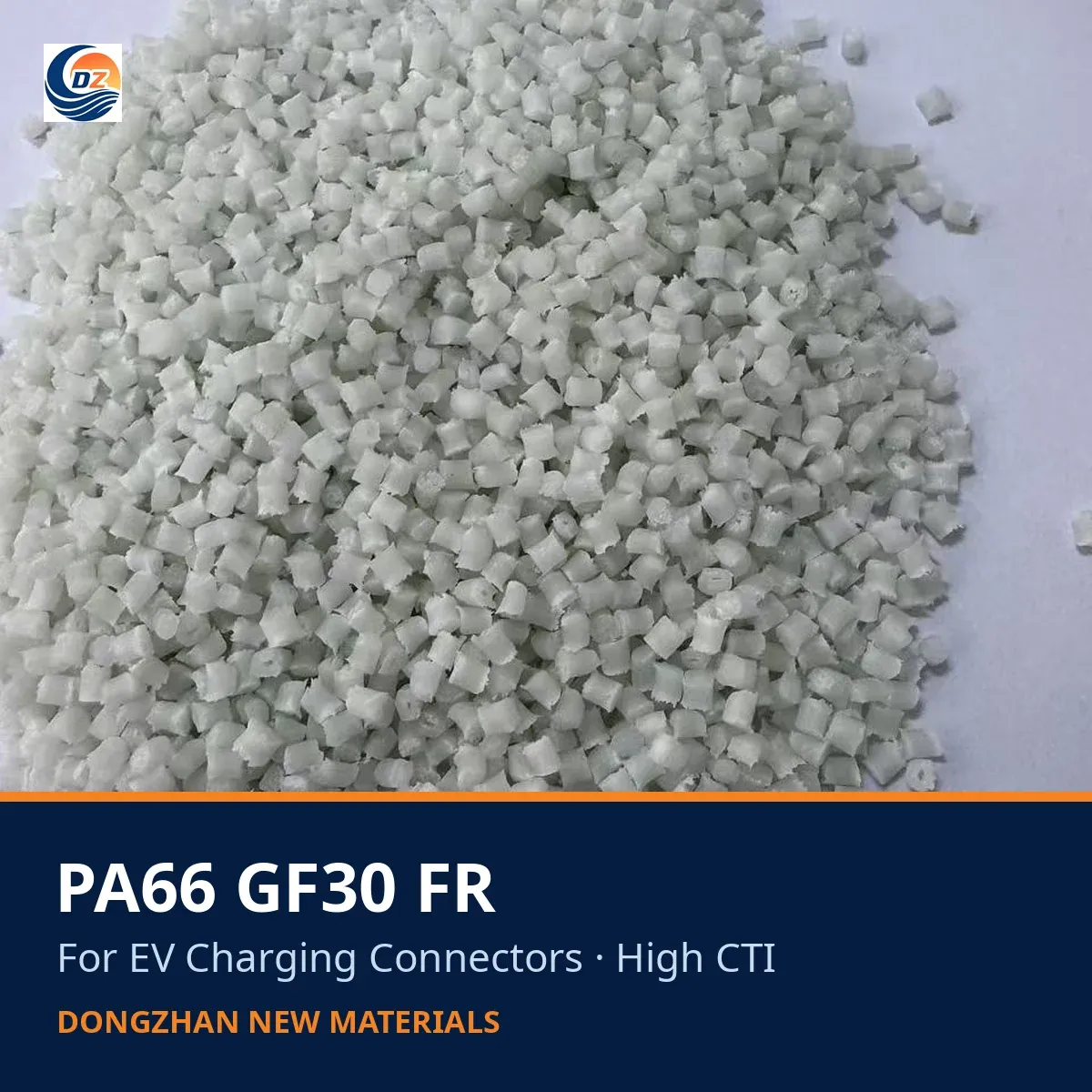
Electrical housings, connectors and charging equipment usually need flame retardancy first (UL94 V-0), plus tracking resistance (CTI) and dimensional stability. Both PA66 and PA6 are available in halogen-free, red-phosphorus and brominated flame-retardant versions. PA66 is often preferred for thinner walls and higher service temperatures; PA6 is chosen when flow, surface and cost dominate. The flame retardant system matters as much as the base resin — see our guide on flame retardant options for nylon.
A quick decision checklist
- Continuous service temperature above ~120 °C? Start with PA66.
- Large flat part where surface finish is judged by eye? Consider PA6.
- Tight tolerance after conditioning? Compare conditioned data for both.
- Flame retardant with high CTI for electrical parts? Specify the FR system and CTI requirement in your inquiry, not just "V-0".
- Cost pressure with moderate heat? PA6 usually wins.
Talk to us about your part
Dongzhan New Materials compounds both PA66 and PA6 in Dongguan — glass fiber reinforced, flame retardant, carbon fiber and wear-resistant grades, with custom modification from 5 kg trials. Send us your drawing or current grade, and we will recommend a compound with the full TDS for your evaluation.
FAQ
Q: Can PA6 replace PA66 in an existing mold?
A: Often yes, but shrinkage differs slightly, so dimensions must be re-checked. Ask for the shrinkage data of the specific grade before switching.
Q: Which nylon is better for gears?
A: PA66 is usually preferred for its wear and fatigue resistance; PTFE-modified PA66 is an option when self-lubrication is needed.